May 14, 2026
Tree removal is a critical task for many homeowners, not just for aesthetic improvements, but also for safety and property protection. Understanding the various factors involved can help ensure that the process is carried out safely and efficiently. This article explores the essential considerations homeowners need to keep in mind when planning for tree removals, covering everything from assessing the need for removal to post-removal steps.
Critical Necessity Of Tree Removal
Evaluate Tree Health
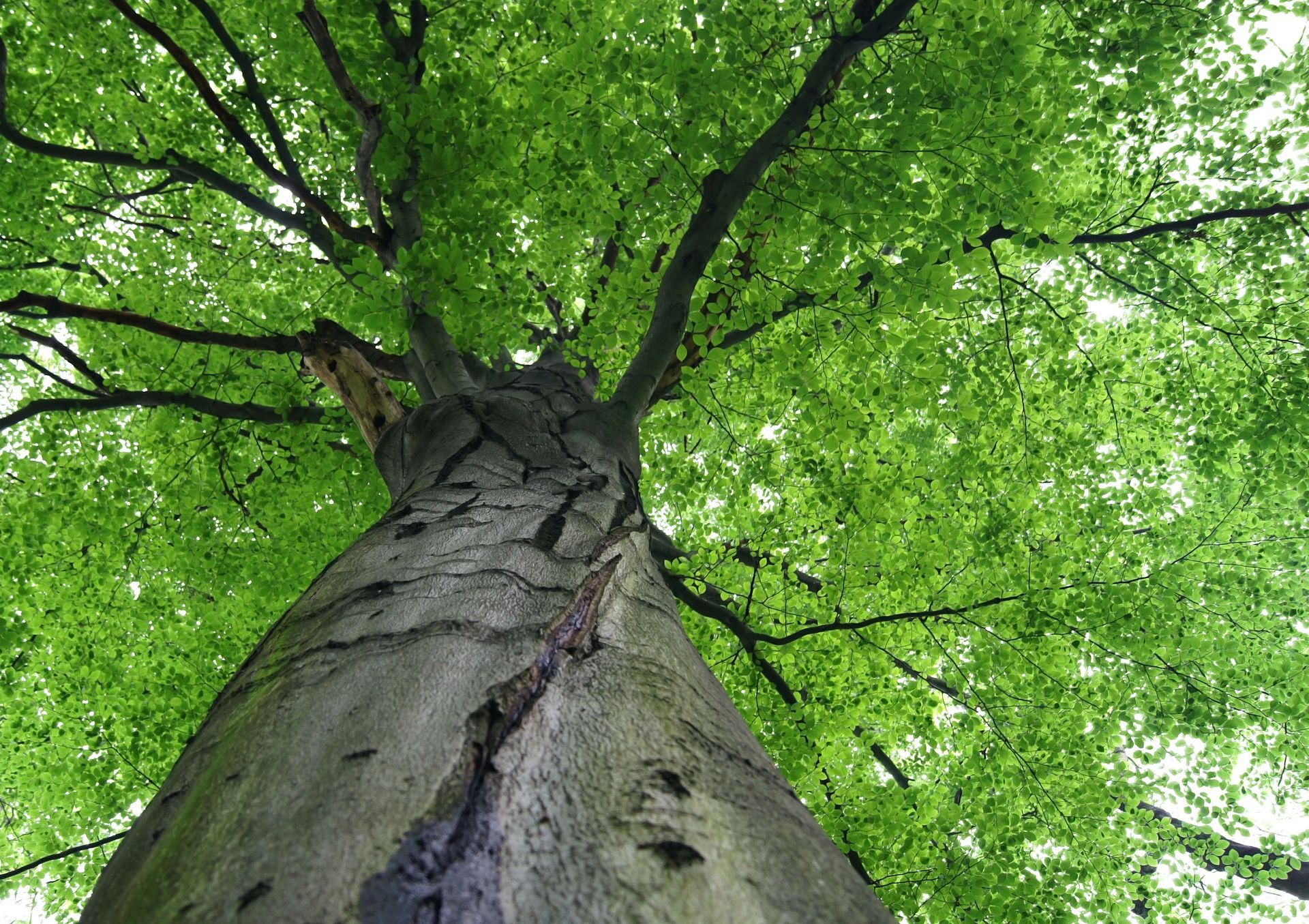
Determining whether a tree should be removed often begins with assessing its condition. Trees showing signs of disease, decay, or structural instability may pose risks to nearby structures and surrounding areas. Common warning signs include dead branches, thinning canopy, visible fungus growth, or significant trunk damage. In some cases, early intervention can help preserve a tree, but when deterioration is advanced, removal may be the safest option. A professional evaluation can help determine the most appropriate course of action and reduce uncertainty in decision-making.
Assess Safety Hazards
Safety is a major factor when considering tree removals near residential or high-traffic areas. Trees located near homes, driveways, or overhead utility lines can present serious risks if they become unstable. Storm damage, high winds, and weakened root systems can increase the likelihood of falling branches or full tree failure. Addressing these concerns promptly helps reduce the risk of property damage or personal injury. Professional tree services are typically used to evaluate hazards and carry out removals in a controlled manner.
Consider Aesthetic Impacts
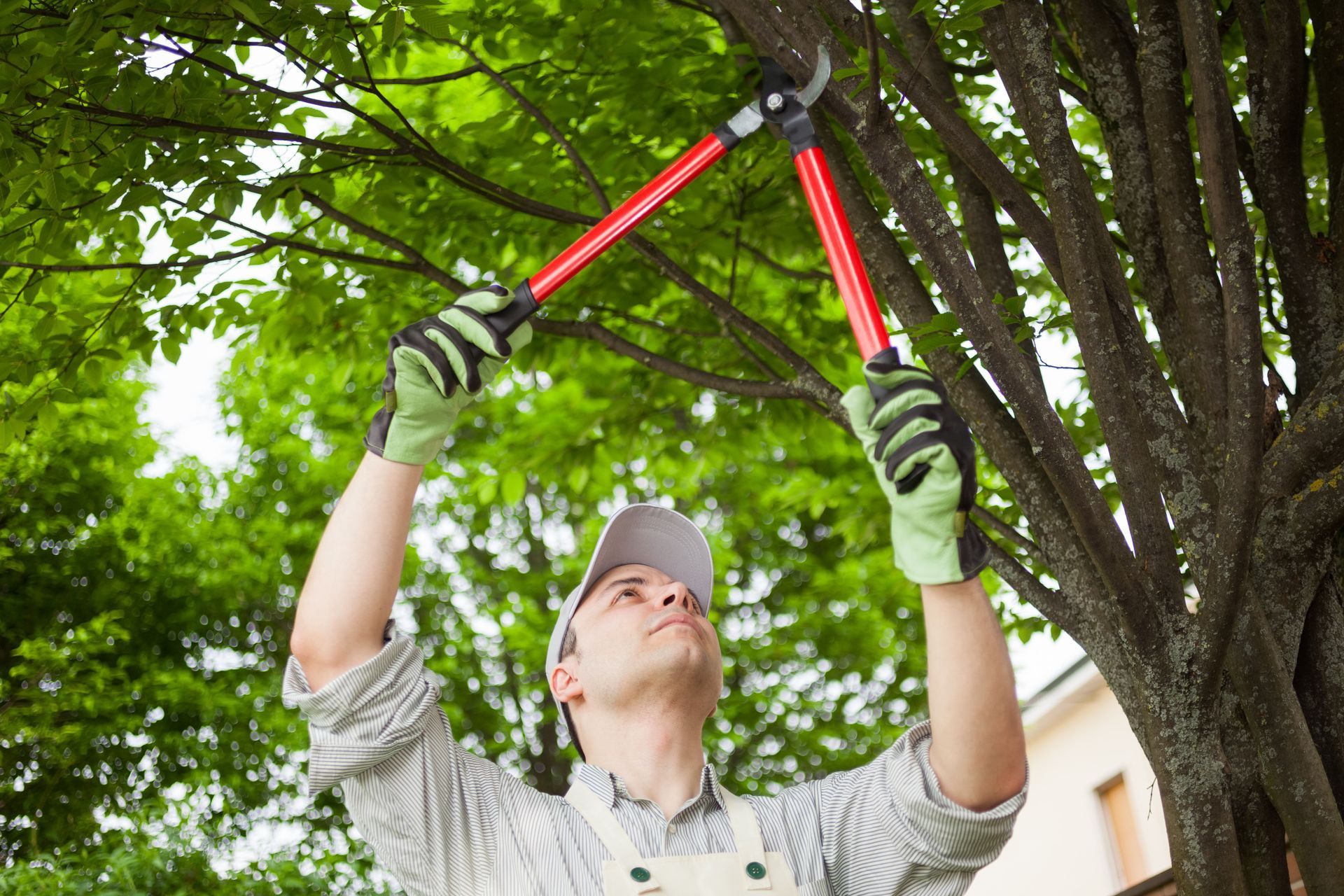
Beyond safety concerns, trees contribute significantly to a property's appearance and overall landscape design. They provide shade, structure, and visual appeal, which can be affected when a tree is removed. Homeowners often weigh the visual impact alongside practical concerns before making a decision. In some cases, alternative pruning or trimming approaches may help maintain the landscape while addressing safety or health issues.
Review Environmental Factors
Trees play an important role in local ecosystems by supporting wildlife, improving air quality, and contributing to soil stability. Before removal, it is worth considering how the change may affect surrounding vegetation and environmental balance. Some trees may also be subject to local protections depending on species or location. When possible, selective maintenance or targeted care may help preserve environmental value while addressing safety concerns.
Follow Legal Requirements
Tree removal may be subject to local rules depending on the property location and the type of tree involved. Some municipalities regulate removal activities, especially when trees are near public spaces or utility areas. Homeowners should be aware of any applicable guidelines before proceeding and work with professionals who understand standard safety and compliance practices in the field.
Efficient Timing Of Tree Removal
Review Seasonal Factors
Timing can influence the ease and efficiency of tree removal. During dormant seasons, trees may be less dense, which can make removal more straightforward. In contrast, active growth periods can introduce additional considerations such as foliage density and surrounding landscape activity. Each season presents different conditions that may affect planning and execution.
Monitor Weather Conditions
Weather plays a significant role in tree removal planning. Rain, ice, or strong winds can create unsafe conditions and increase the difficulty of the process. Monitoring weather forecasts and adjusting schedules accordingly helps ensure safer and more efficient work conditions. Professional crews typically factor weather into their planning to minimize risk.
Plan Emergency Or Scheduled Removal
Tree removals are often divided into emergency and planned situations depending on urgency and site conditions. Emergency removals address immediate hazards such as storm-damaged or fallen trees that threaten safety or access. Planned removals allow for more preparation and coordination, often resulting in a more controlled process. Having a general plan in place can help homeowners respond quickly when urgent situations arise.
Assess Dormant Conditions
Tree dormancy can be a favorable time for removal work. When trees are not actively growing, there is often less foliage and reduced biological activity, which can simplify the process. Dormant conditions may also reduce disruption to nearby vegetation and wildlife activity, depending on the species and environment.
Schedule Service Availability
Coordinating tree removal services often depends on seasonal demand and local workload conditions. Reaching out in advance helps secure a suitable timeframe and ensures the work can be planned properly. Availability may fluctuate throughout the year, especially after storms or during peak maintenance seasons.
Efficient Selection Of Tree Removal Service
Research Service Providers
Homeowners should review multiple service providers before making a selection. Looking into general reputation, customer feedback, and overall consistency of service can help build confidence in a provider. According to the U.S. Bureau of Labor Statistics, the industry that employs the highest volume of these tree care professionals is "Services to Buildings and Dwellings," accounting for exactly 44,520 of those jobs. This highlights the scale of the workforce involved in professional tree care and removal services.
Verify Experience And Credentials
When selecting a tree service provider, it is important to confirm that the company is properly licensed and carries appropriate insurance coverage. Experience with different types of tree removal and maintenance work also plays an important role in ensuring that the job is handled safely and efficiently. Reviewing previous project examples can provide additional insight into capability and approach. This step helps reduce uncertainty when evaluating providers for tree removals on residential properties.
Compare Service Estimates
Homeowners often compare multiple service options to understand differences in scope, approach, and pricing for tree removals. Clear communication about the work involved helps set expectations and ensures alignment before any project begins. Comparing details carefully can help avoid misunderstandings later in the process. Taking time during this stage often leads to more informed and confident decisions.
Prepared Planning Of Tree Removals
Perform Site Assessment
A site assessment helps identify important factors such as proximity to structures, access limitations, and surrounding landscape conditions. This step supports safe planning and helps ensure that the removal process can be completed efficiently. Professionals typically evaluate these conditions before beginning work.
Notify Neighbors
Tree removal work can affect nearby properties through noise, debris, or temporary access limitations. Informing neighbors ahead of time helps reduce disruptions and supports positive community communication. This is especially important when trees are located near property boundaries.
Protect Surrounding Landscape
Protective measures may be used to reduce impact on nearby plants, lawns, or hardscape features during removal work. Careful planning helps minimize unnecessary disturbance to the surrounding environment and supports a cleaner post-removal result. These precautions are especially important in tighter residential spaces.
Controlled Process Of Tree Removals
Use Equipment And Techniques
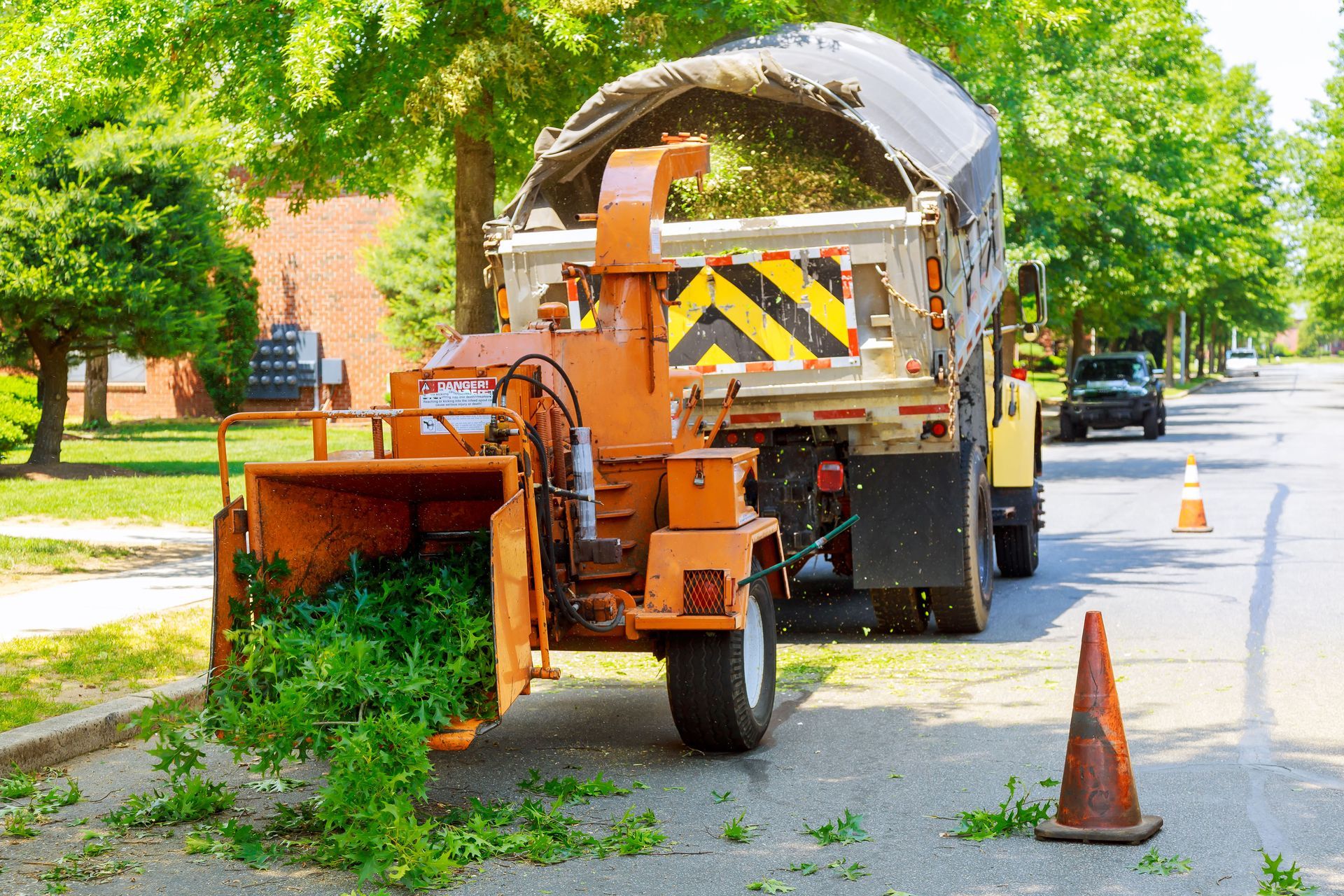
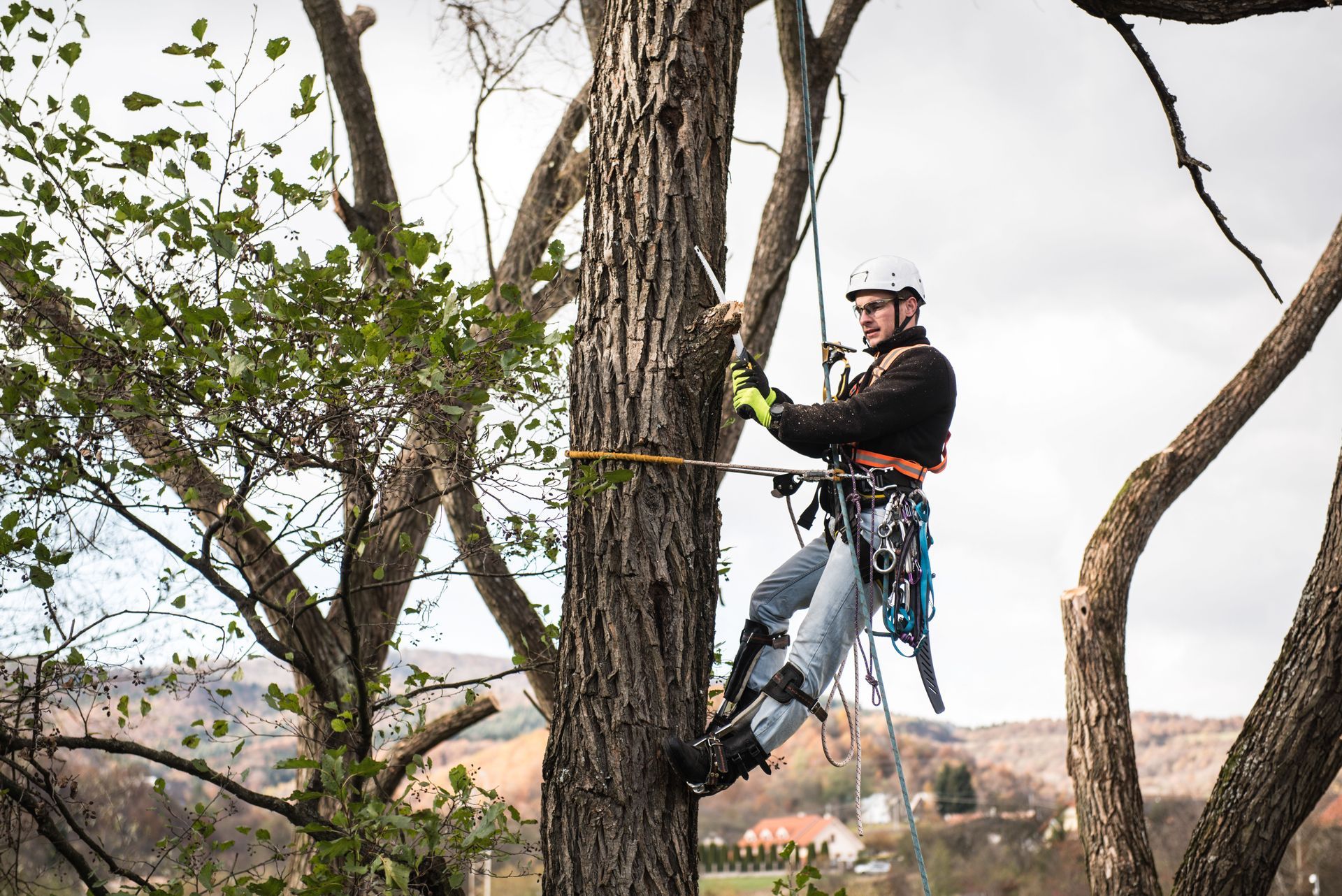
Tree removals typically involve specialized equipment and methods depending on the size, location, and condition of the tree. Common tools include chainsaws, rigging systems, and stump grinding equipment. Techniques vary based on site conditions and safety requirements. This combination helps ensure controlled and efficient removal from start to finish.
Apply Safety Measures
Safety is a central focus during all tree removal operations. Controlled work zones, protective equipment, and structured removal methods help reduce risk. Proper planning and execution are essential for protecting both workers and surrounding property.
Ongoing Considerations Of Post-Removal Care
Explore Landscaping Opportunities
Once a tree is removed, the space can be used for new landscaping opportunities. Homeowners may choose to redesign the area with new plantings or other landscape features that better fit their property goals. This can improve both functionality and visual balance over time.
Maintain Remaining Trees
Remaining trees may benefit from ongoing maintenance such as pruning and general health monitoring. Regular care helps support long-term stability and reduces the likelihood of future hazards. This approach contributes to a healthier overall landscape.
To learn more about professional tree removal, trimming, stump grinding, land clearing, and emergency services, Advanced Tree Experts provides a full range of tree care solutions designed to support residential property needs.