Canopies Shaped for Long-Term Health
Tree Trimming in Toms River for properties where overgrown branches block sunlight or create hazards near structures
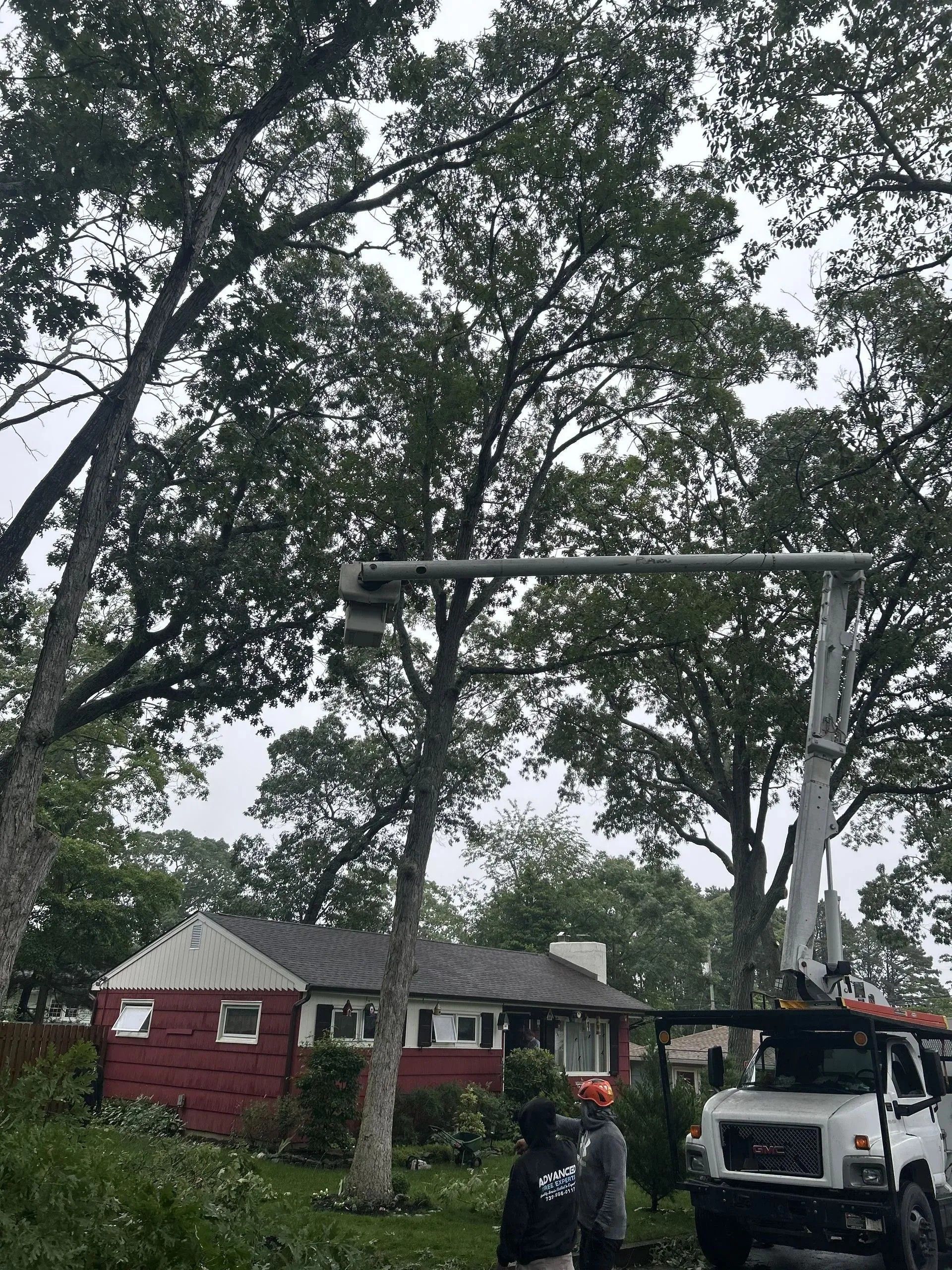
Overgrown tree canopies reduce sunlight to lawns and plantings below, obstruct views from windows, and create contact points with rooflines that trap moisture and debris. Tree trimming removes excessive branch growth while preserving the natural form of each species, improving both function and appearance. Advanced Tree Experts provides trimming services in Toms River, Little Egg Harbor, Wall Township, and surrounding areas where homeowners and property managers need clearer landscapes without removing entire trees, addressing seasonal maintenance that prevents more serious structural problems from developing over time.
The process involves selective removal of overgrown limbs, targeting areas where branches cross or rub against each other and where growth extends beyond safe clearance from buildings or utilities. Proper trimming techniques vary by species—some trees tolerate aggressive cuts while others require conservative approaches to avoid stress or disease entry points. Improved air circulation through the canopy reduces fungal problems and allows understory plants to receive adequate light.
Schedule professional tree trimming to address specific clearance or growth concerns on your property.
What You Notice Once Trimming Is Finished
Routine trimming focuses on removing branch length and density without altering the tree's overall shape, targeting specific areas where growth interferes with property use or creates future hazards. Work includes evaluating branch angles and weight distribution to maintain balanced canopies that resist storm damage. Species-specific knowledge determines how much material can be removed safely during each session without shocking the tree or triggering excessive regrowth.
After trimming, you see improved sunlight reaching ground-level plantings, cleaner rooflines without branch contact, and defined clearance around driveways and walkways. Trees maintain their characteristic silhouettes while occupying less overhead space, and views from windows or outdoor living areas open up without eliminating shade entirely. Gutters collect less leaf debris when branches no longer overhang rooflines directly.
The service does not include treatments for disease or pest infestations, which require separate evaluation and intervention. Timing matters for flowering trees—trimming immediately after bloom preserves next season's flowers, while dormant-season work suits most shade trees. Properties with multiple trees benefit from staggered schedules that allow observation of results before proceeding to additional specimens.
Answers to Frequent Service Questions
Tree trimming raises questions about how much growth to remove, when to schedule work, and what outcomes to expect.
Advanced Tree Experts evaluates each tree's specific growth pattern and property context before determining trimming approaches. Contact the office to arrange an assessment that identifies which trees need immediate attention and which can wait for seasonal scheduling.
What determines how much branch material gets removed?
The amount trimmed depends on species tolerance, current tree health, proximity to structures, and whether the goal involves hazard reduction or aesthetic shaping.
How does seasonal timing affect trimming results in Toms River?
Deciduous trees trimmed during winter dormancy experience less stress and reduced sap loss, while spring trimming allows immediate observation of new growth patterns to guide future work.
Why do some trees require more frequent trimming than others?
Fast-growing species like willows and certain maples produce aggressive annual growth that requires regular attention, while slow-growing oaks or beeches need trimming less often once properly shaped.
What should I look for when evaluating trimming quality?
Proper cuts are made just outside the branch collar without leaving stubs, large limbs are removed in sections to prevent bark tearing, and the tree's natural form remains recognizable after work is complete.
When does trimming become insufficient and pruning or removal become necessary?
Trimming addresses length and density, but if branches show structural defects, disease, or damage, pruning for health or complete removal may be required instead.