Clearing Space Without Losing Canopy Coverage
Tree Elevation in Toms River and surrounding areas for properties where lower limbs interfere with vehicles, pedestrian pathways, or commercial visibility
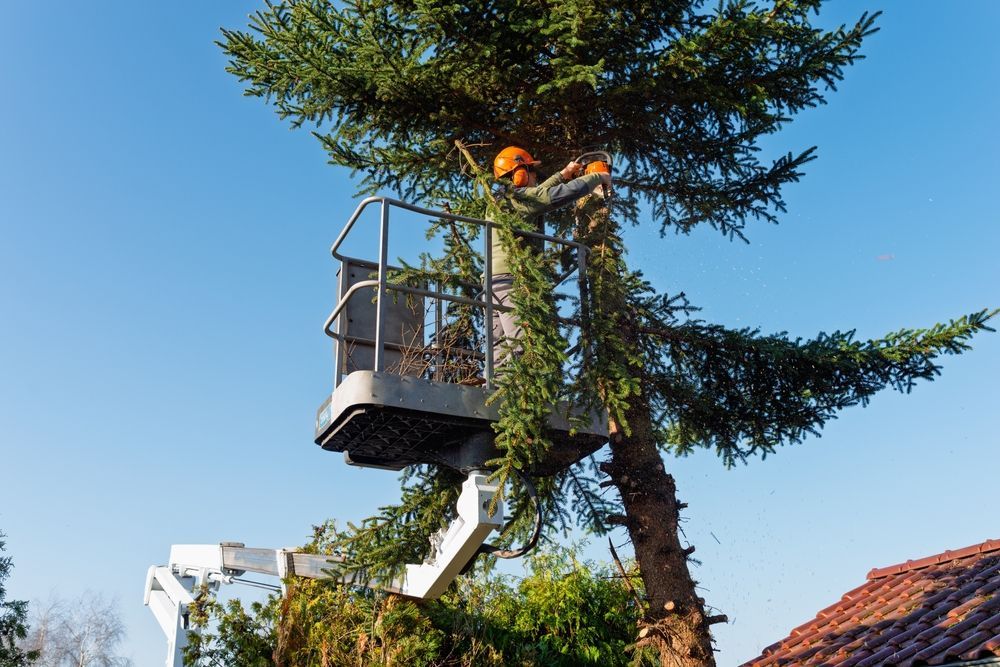
Lower branches eventually grow close enough to block driveways, sidewalks, loading zones, or storefront sightlines. Advanced Tree Experts removes those lower limbs through tree elevation, raising the canopy while keeping the upper structure intact and balanced. The work centers on creating functional clearance for vehicles and foot traffic without stripping the tree of its natural shape or removing more wood than necessary.
The process involves selectively cutting branches below a target height, typically eight to fourteen feet depending on the use case. Residential properties often need clearance for cars backing out or garbage trucks passing underneath, while commercial sites may require visibility improvements near entryways or parking lot edges. Each cut is made just outside the branch collar to promote proper wound closure and prevent decay from entering the trunk.
Schedule a property evaluation to determine the appropriate elevation height for your specific access needs.
What Proper Elevation Requires
Elevation work follows a calculated removal pattern that accounts for weight distribution across the remaining canopy. Removing too many lower branches at once can shift the tree's center of gravity and create structural imbalance, especially in species with dense upper growth. The cuts start with the lowest limbs and move upward incrementally, allowing you to see the clearance increase while preserving the tree's ability to photosynthesize and maintain energy reserves.
After elevation, you'll notice immediate changes in how the space functions: vehicles pass underneath without scraping branches, walkways stay clear during windy conditions, and sightlines open up around building entrances. The tree retains its canopy spread and continues growing vertically, but the lower zone remains open for the activities that were previously blocked.
Elevation doesn't require follow-up cuts unless new lower growth appears years later, which varies by species. Fast-growing trees like silver maples may produce water sprouts along the trunk that need occasional removal, while slower species like oaks typically maintain clean trunks once elevated. The service focuses on creating a permanent change in clearance rather than temporary trimming that reverses each season.
Questions About Elevating Tree Canopies
Property owners in Toms River and neighboring communities often ask about timing and results before scheduling elevation work, particularly for trees near driveways or commercial entries.
Advanced Tree Experts evaluates each tree's structure and your clearance requirements before making elevation cuts. Call to arrange an on-site review and receive a detailed plan for raising your canopy safely.
What height should the canopy be raised to for vehicle clearance?
Most driveways need at least eight feet of clearance for standard vehicles, but delivery trucks or RVs may require twelve to fourteen feet depending on the route and turning radius.
How does elevation affect the tree's ability to grow?
Removing lower branches redirects energy to the remaining canopy, and the tree continues growing upward and outward as long as enough foliage remains to support photosynthesis.
When is the best time to schedule elevation work?
Late winter or early spring allows you to see the branch structure clearly before leaves appear, though elevation can be completed year-round without harming the tree.
Why do some trees grow new low branches after elevation?
Species that produce water sprouts or suckers along the trunk will generate new growth below the cut line, requiring periodic removal to maintain clearance.
What happens if too many lower branches are removed at once?
Excessive removal can stress the tree by reducing its photosynthetic capacity and may cause the upper canopy to become top-heavy, increasing the risk of breakage during storms.