
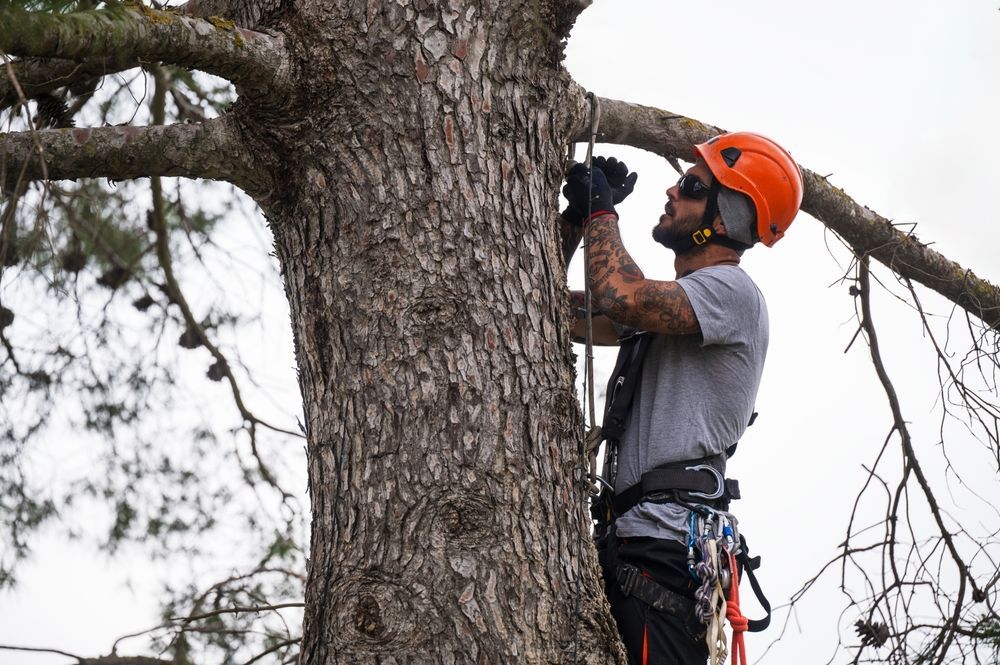
Routine Care That Preserves Landscape Value
Tree Health Maintenance in Toms River for properties with valuable landscape trees requiring proactive inspections and maintenance
Structural cracks appear in major limbs, leaves develop unusual discoloration, or bark shows signs of pest activity before many property owners recognize a developing problem. Early attention to these conditions often prevents decline that leads to costly removal or creates safety hazards. Advanced Tree Experts conducts routine tree health evaluations that identify disease, structural damage, and stress indicators while trees still respond to corrective care rather than requiring emergency intervention.
Health maintenance involves scheduled inspections where arborists examine bark condition, foliage density, branch structure, and root zone health. These evaluations identify fungal infections, insect infestations, deadwood accumulation, and structural weaknesses that worsen without attention. Recommendations may include targeted pruning to remove diseased wood, trimming to improve structure and light penetration, or soil amendments when nutrient deficiencies show in foliage.
Schedule a tree health evaluation to establish baseline conditions and receive maintenance recommendations specific to your landscape.
What Proactive Care Actually Accomplishes
Inspections begin with visual assessment of the canopy, looking for dead or dying branches, uneven foliage distribution, and signs of pest or disease damage. Arborists examine trunk and major limbs for cracks, cavities, fungal growth, and bark abnormalities that indicate internal decay or stress. Root zones are checked for soil compaction, drainage problems, and construction damage that compromises stability even when the canopy appears healthy.
Trees receiving regular maintenance develop stronger branch structure, denser foliage, and improved resistance to storm damage compared to neglected specimens of the same species. You notice fewer broken branches after high winds, reduced deadwood falling into yard areas, and canopies that maintain consistent shape rather than developing the lopsided growth patterns common in unpruned trees. Catching fungal infections or pest infestations early often means treating affected areas instead of watching the entire tree decline beyond recovery.
Maintenance recommendations vary based on tree species, age, and current condition. Fast-growing species like Bradford pear and silver maple benefit from annual structural pruning to manage weak branch angles, while slow-growing hardwoods may only require inspection every two to three years once mature. Disease-prone species need more frequent monitoring during periods when infections spread most rapidly.
Common Questions About This Service
Property owners typically want to understand what health evaluations involve and how maintenance differs from standard trimming services.
Advanced Tree Experts develops maintenance schedules based on the specific trees in your landscape and their individual care requirements. Reach out to arrange an initial evaluation where we document current tree health and outline a proactive maintenance approach designed to preserve your most valuable landscape investments.
What does a tree health inspection include?
Arborists assess overall tree structure, examine bark and foliage for disease or pest indicators, check for deadwood in the canopy, evaluate root zone conditions, and identify structural defects like cracks or weak branch attachments. Inspections document current condition and flag concerns requiring attention before they create hazards or lead to irreversible decline.
How do you determine what maintenance a tree needs?
Recommendations depend on species-specific requirements, current condition, location on the property, and any stressors affecting the tree. A mature oak showing early signs of decline receives different care than a young ornamental with structural pruning needs, and trees near structures require more attention to overhanging limbs than those in open yard areas.
When should maintenance happen?
Most pruning and structural work occurs during dormant season when trees tolerate cutting better and disease transmission risk drops. However, removing deadwood or addressing storm damage proceeds year-round as needed, and some pest or disease treatments must occur when infestations are active to achieve control.
What signs indicate a tree needs professional evaluation?
Sudden leaf drop outside normal seasonal patterns, sections of dead branches in an otherwise healthy canopy, fungal growth on trunk or roots, visible cracks in major limbs, and leaning that develops after storms all warrant inspection. Changes in foliage color or density compared to previous years also signal developing problems.
How does maintenance preserve trees long-term?
Removing diseased wood stops infections from spreading, correcting structural defects prevents storm breakage, and addressing soil or root problems improves overall vigor. Trees receiving consistent attention typically outlive neglected specimens by decades, maintaining their landscape value and avoiding the expense of premature removal.